Have you ever struggled to turn your ideas into clear visuals? Choosing between Napkin AI vs Diagrimo can feel confusing, especially if you want a tool that's easy to use and keeps your work organized. Many people waste time with complicated interfaces, lost files, or tools that don't support multiple languages.
In this article, we'll compare Napkin AI and Diagrimo, showing their differences and real-world use cases. By the end, you'll know which one fits your workflow best and can create clear, structured visuals without stress.
So, let's get started.
What Is Diagrimo?
Diagrimo is a text-to-visual AI tool designed to help users quickly convert written content into structured, easy-to-understand visual formats. Instead of focusing on advanced design controls or complex automation, Diagrimo emphasizes clarity, organization, and usability, making it particularly useful for people who need visuals to support thinking, communication, or documentation.

At its core, Diagrimo allows users to input text and transform it into visual layouts that can be used for explanations, planning, learning, or content structuring. The interface is clean and beginner-friendly, which lowers the learning curve for first-time users. Unlike some AI tools that require extensive configuration, Diagrimo focuses on fast execution and intuitive workflows.
Napkin AI vs Diagrimo Comparison Table
The table below provides a high-level and fair comparison between Napkin AI and Diagrimo, based strictly on the provided document. Since Diagrimo is still evolving, the comparison focuses on core differences rather than deep feature competition.
Why Diagrimo Works Better in Real-World Use Cases
While Napkin AI is a familiar name in the text-to-visual space, Diagrimo becomes more compelling when evaluated through real-world usage scenarios rather than pure feature volume. Its strengths are especially noticeable in day-to-day workflows where clarity, organization, and flexibility matter most.
Below are Diagrimo's key advantages and how they translate into practical use.
A Smoother Text-to-Visual Workflow for Structured Thinking
Diagrimo includes AI-assisted text editing, allowing users to refine and organize their content before turning it into visuals. This is particularly helpful for people who work with drafts, outlines, or rough ideas. Instead of switching between multiple tools, users can edit and visualize content within a single workspace.
Example use case:
A content strategist pastes brainstorming notes into Diagrimo, improves the structure using the built-in AI assistant, and quickly generates a clear visual outline for a blog post or landing page.

Reliable Multilingual Support for Global Users
With support for 16 languages, Diagrimo is well suited for international teams and users who prefer working outside of English. This feature makes the platform accessible to a broader audience, including educators, students, and professionals across different regions.
Example use case:
An online instructor preparing course materials for multilingual students creates visual explanations in different languages without needing separate tools or translations.

Practical File and Document Management
Diagrimo allows users to group, move, and organize files efficiently. While this may seem like a minor feature, it becomes essential for users managing multiple projects or long-term workspaces.
Example use case:
A product manager handling several workflows keeps diagrams neatly organized by project, making it easier to revisit or update visuals without searching through an unstructured file list.

Document Recovery and Content Safety
Unlike Napkin AI, Diagrimo provides document recovery options. Free users can restore deleted files within a limited time period, while paid users benefit from extended recovery windows. This added layer of safety helps prevent accidental data loss.
Example use case:
A student mistakenly deletes an important diagram and restores it quickly, avoiding the need to recreate hours of work.

Daily Free Credits That Support Regular Use
Diagrimo offers 100 free credits per day, encouraging consistent experimentation and daily usage rather than restricting users with weekly credit limits. This makes it easier to integrate the tool into everyday workflows.
Example use case:
A startup founder brainstorming ideas each day can rely on Diagrimo regularly without worrying about running out of credits too quickly.
Taken together, these advantages position Diagrimo as a user-focused and scenario-driven text-to-visual tool, particularly appealing to users who prioritize organization, accessibility, and content safety over complex or feature-heavy configurations.
Choosing Between Napkin AI and Diagrimo
When choosing between Napkin AI and Diagrimo, the decision is less about which tool looks more advanced and more about how well it supports your day-to-day workflow. Both platforms help turn text into visuals, but they are designed with different priorities in mind.
Napkin AI may be a suitable option for users who want a more established product with multiple pricing tiers and who work exclusively in English. It can be useful for quick, one-off visuals where long-term organization is not a concern. However, the lack of document management, multilingual support, and recovery options can make it less practical for users handling ongoing projects or growing content libraries.
Diagrimo, on the other hand, is built around real usage scenarios. It focuses on structured thinking, accessibility, and long-term usability. For many users, these factors matter more than having an extensive feature list.
Diagrimo Is a Better Fit If You:
-
Create structured text-to-visual content such as outlines, workflows, or learning materials
-
Work with multilingual content or collaborate with international teams
-
Manage documents over time, rather than generating visuals once and moving on
-
Prefer a clean, simple interface that minimizes distractions
-
Value content safety, including file organization and recovery options
Another important consideration is ease of adoption. Diagrimo's interface is intuitive, making it accessible for beginners while still offering enough flexibility for professional use. The availability of daily free credits also encourages consistent experimentation without pressure.
Final Thoughts
The comparison between Napkin AI vs Diagrimo isn't about declaring a universal winner. Instead, it's about identifying which tool fits real user scenarios more naturally.
Diagrimo stands out as a practical text-to-visual solution for users who want structured thinking, multilingual support, and document management in one place. While it may not yet cover every advanced use case, its focus on usability and workflow makes it a compelling option for many creators, educators, and professionals.
If your goal is to turn text into visuals efficiently while keeping your work organized and accessible, Diagrimo is well worth trying.

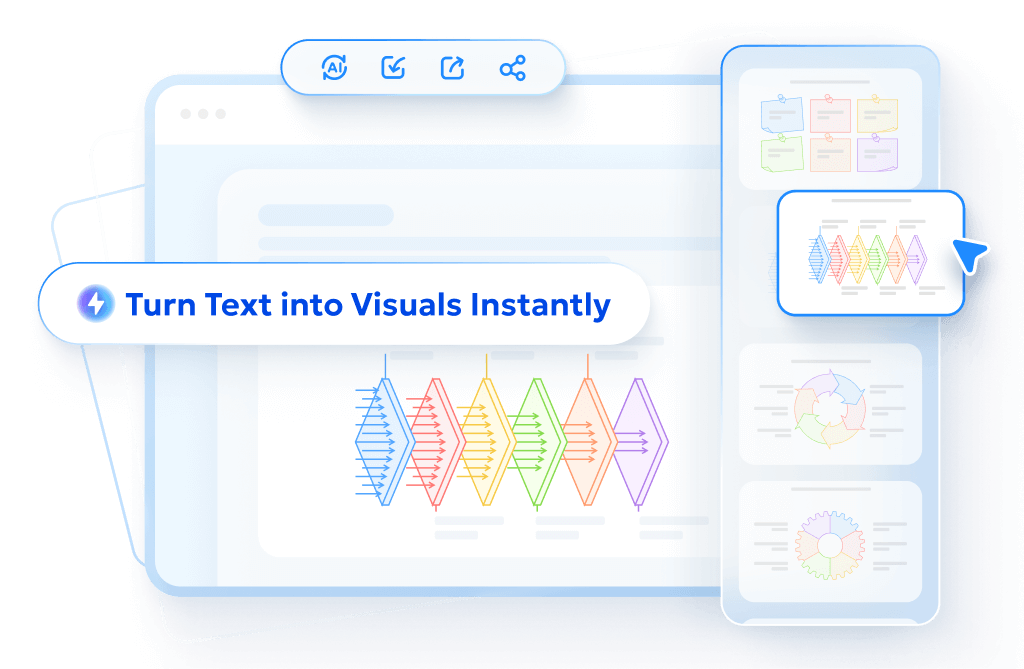
- AI text-to-visuals turns ideas into diagrams or infographics.
- Customizable styles match your brand and presentation tone.
- Share anytime by exporting in various formats and a link.
- No design skills needed for presentations, teaching, or reports.
FAQs
-
What is the main difference between Napkin AI and Diagrimo?
Is Diagrimo suitable for beginners?
Does Diagrimo support multiple languages?
Can I recover deleted files in Diagrimo?
-
Which tool is better for text-to-visual workflows?
Can I use Diagrimo for team collaboration?
The main difference between Napkin AI and Diagrimo is how they handle usability and workflow. Diagrimo focuses on helping users organize documents, manage files, and work in multiple languages, making it practical for long-term projects. Napkin AI, on the other hand, is more focused on generating visuals quickly but lacks structured document management and advanced workflow support, which can make it less efficient for ongoing work.
Yes. Diagrimo is beginner-friendly because it has a simple and clean interface that doesn't require technical knowledge. Users can easily convert text into visuals, organize their work, and manage files without confusion.
Yes. Diagrimo supports 16 different languages, which makes it useful for international users, teams, and educators. You can create visuals, diagrams, and structured content in different languages without needing additional translation tools.
Yes. Diagrimo includes trash recovery that lets users restore deleted files within a set period---30 days for free users, and longer for paid plans. It also has version history recovery, allowing you to revert documents to previous versions.
For users who need structured, organized, and long-term text-to-visual workflows, Diagrimo is usually the better option. Its strengths in file management, multilingual support, and document recovery make it ideal for professionals, students, and teams. Napkin AI can be useful for quick, one-off visuals, but Diagrimo works better for ongoing projects and consistent use.
Yes. Diagrimo supports team collaboration by allowing multiple users to work on the same documents, organize files together, and share visuals efficiently. Teams can manage projects without losing track of updates or versions. The multilingual support and structured workflows also help team members from different regions collaborate smoothly and avoid confusion.
